"Let the beloved of the Lord rest secure in him, for he shields him all day long, and the one the Lord loves rests between his shoulders." Deuteronomy 33:12 You signed up for this newsletter
for information from Root Source. If you would like to unsubscribe, click here. This coming Shabbat's Torah portion, read on Saturday, October 11th, is Parashat Vezot Haberakhah. This week’s Torah reading, V’Zot HaBerachah, which is read on the holiday of Simchat Torah, recounts the blessings Moses bestowed upon
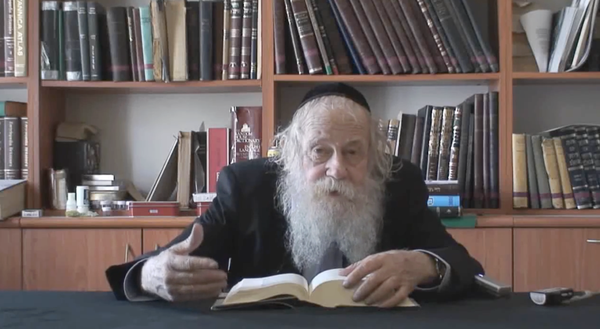
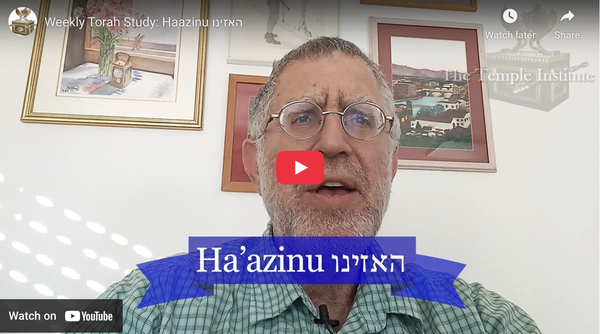
each of the tribes, the story of Moses’ death, and describes the greatness of his personality, prophecy and deeds. Join us in exploring the Weekly Bible Chapter: Leah’s Gratitude Amidst Heartbreak with Rabbi Avraham Norin, and let’s learn and reflect together! Please enjoy this teaching of our beloved Root Source teacher, Rabbi Adin Steinsaltz of blessed memory, about this week's Torah portion, Vezot Haberakhah, and share your thoughts with us! Last week, our popular Root Source teacher Rabbi Gedalia Meyer talked about
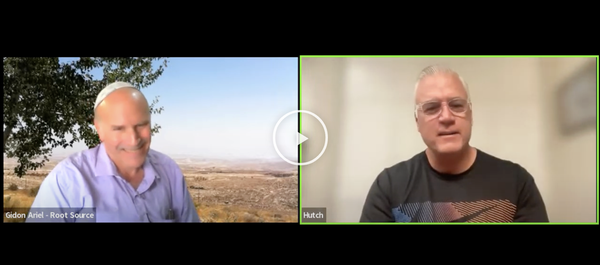
Haazinu. Watch it below. Check below to hear what Gidon Ariel and Jeff Hutcheon have to share. Please enjoy this insightful interview, “Peace Talks, Palestinian Prisoner Releases, and the Path to Coexistence,” featuring our
Root Source co-founder, Gidon Ariel. Watch and share your thoughts below!
We sign off with a nice comment and a beautiful photo of
Ein
Gedi, Israel.
Shalom, Gidon Ariel and Bob O’Dell
Root Source Founders The holy tribe of Levi was next in line to be blessed. Moses extols their virtues, the only tribe to remain faithful to G‑d throughout the various trials and tests the Israelites encountered during their desert sojourn. Therefore, Moses declares, “They will teach Your laws
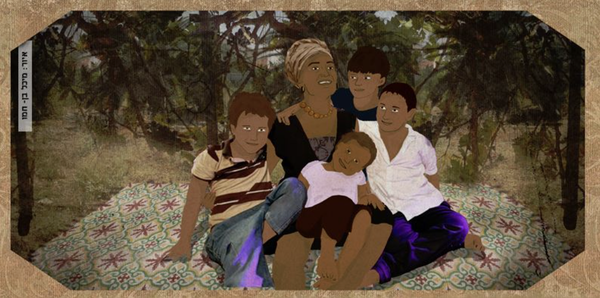
to Jacob and Your Torah to Israel; they will place incense before You, and burnt-offerings upon Your altar.” Benjamin, then, is acknowledged as “G‑d’s beloved,” the tribe which will be graced by the Holy Temple which will be situated in its portion of Israel. It’s not often that a biblical character makes you want to cry, but if you pay careful attention to the matriarch Leah, she can break your heart. Leah is married to Jacob, a man who does not love her—indeed, who barely notices her. The way the story unfolds is well-known. Jacob works for seven years for the right to marry Rachel, but Laban deceives him, and
Jacob ends up being married to Leah, whom he does not love and does not want. In the last Parasha of the Torah, Moses’ death presents us with a paradox. God shows Moses not merely the physical landscape of the Promised Land, but the entire sweep of Jewish history—its glories and its devastations, its spiritual heights and its darkest moments (Mekhilta, Beshallah 2). Yet Moses dies alone, and his death remains shrouded in mystery. The sages
teach us that Moses was like “a fish that leaves the sea and walks on dry land” (see Zohar, Balak 187–188). He lived among us in this reality, yet his essential being belonged to an entirely different realm. His death, therefore, was not truly death as we understand it. As Maimonides elegantly explains in his introduction to Commentary on the Mishna , Moses’ passing was “his death for us, since he was lost to us, but life for him, in that he was elevated to Him.” Moses did not cease to
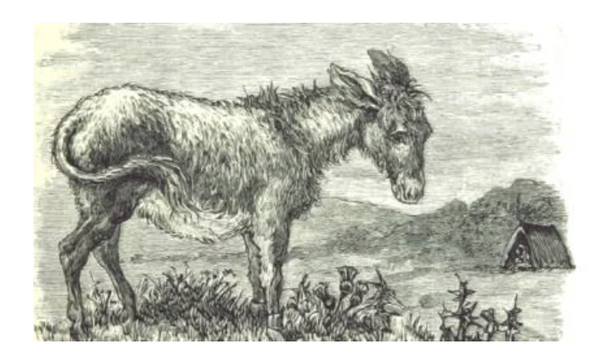
exist; he merely departed from our plane of existence and returned to his own. We all seek a sense security in our lives. But in truth, all earthly forms of security, be it a house to come home to, a steady job, a functioning and peaceful community, are but thin reeds not able to stand up to a tempest. Sukkot, the upcoming holiday in which we leave the
comfort of our homes to dwell seven days in feeble makeshift booths, teaches us the ultimate lesson: only G-d sustains and watches over us. Nothing else. Chag Sukkot Sameach!חג סוכות שמח Gidon’s return to Israel and his conversation with Hutch offer a glimpse into the pursuit of unity and peace amidst challenging times. Join us as we explore their perspectives on the current situation and the hopes for a harmonious future in Israel. Paul Calvert interviews Gidon Ariel, an Orthodox Jew and Israeli nationalist, about the Israeli-Palestinian
peace process. Gidon expresses skepticism toward renewed talks, citing decades of failed negotiations and increased terrorism after previous peace efforts. While affirming Israel’s desire for peace, he stresses the need for strength and security in a hostile region. He condemns the release of Palestinian prisoners and criticizes Palestinian education and media for promoting hatred. Opposing the creation of a Palestinian state within Israel’s borders, Gidon advocates for grassroots coexistence
based on personal relationships and mutual respect. Framing the conflict as both spiritual and historical, he concludes with a hopeful vision of a peaceful future rooted in faith and shared
prosperity. We get so many comments!
Here is one from Eric Aspeitia on
GLC Update News: Special Report with Gidon Ariel
Dear Mr. Ariel, "I wanted to take a moment to express my sincere gratitude and appreciation for the wonderful interfaith discussion we had on a recent episode of "The Light of the Southwest." Our conversation was not only enlightening but also a testament to the power of dialogue and understanding between different faith traditions. It was a true pleasure to have you as a guest on the program, and your insights as an orthodox Jewish man were invaluable to our viewers. Your ministry, root-source.com, is a remarkable resource for bridging the gap between our two faiths and promoting mutual
respect and understanding. Your dedication to this cause is evident, and I am truly impressed by the work you do. Our conversation on the show was a testament to the fact that, with an open heart and a
willingness to listen, there is so much that our two faiths can learn from each other. The experience of discussing our beliefs, values, and traditions was not only educational but also heartwarming. I firmly believe that promoting interfaith dialogue is vital in our increasingly diverse world, and you are a shining example of how this can be done with grace and respect. I would like to extend my gratitude not only for your participation in the program but also for your commitment to fostering mutual understanding between our respective communities. It is through individuals like you that we can build bridges of understanding and tolerance, and I am grateful for the opportunity to collaborate with
you. I look forward to the possibility of future discussions and collaborations. Your wisdom and insights are greatly appreciated, and I believe our continued dialogue can be a source of enlightenment
for many. Once again, thank you, Mr. Ariel, for your time, knowledge, and dedication to the cause of interfaith harmony. I wish you continued success in your ministry and all your endeavors. I look forward
to our next show. Warm regards, Eric Aspeitia" Copyright © 2025 Root Source, All rights reserved.
You are receiving this email because you signed up on root-source.com. |
|
|